


Back to School | SEN Care & Hygiene
September 10, 2025

When it comes to special needs education, creating a supportive and inclusive environment is paramount. One area that often requires careful attention is the provision of appropriate hygiene, changing, and toileting facilities for children with physical, cognitive, or sensory challenges. In schools and educational settings, it’s essential that all children have access to facilities and equipment that respect their dignity, ensure their comfort, and enable them to participate in daily routines independently and confidently.
Continuing our series exploring our wide range of SEN equipment including seating, care & hygiene, recreation & physical education and sensory equipment. We offer free assessment and demos on specialist seating, our team can visit you at home, school or care facility on our products designed to support children with special needs toileting, hygiene, and changing.
Why Specialized Toileting and Hygiene Equipment is Crucial for Schools
Toileting is a basic human need, yet it can become a challenge for children with disabilities or those with mobility or sensory impairments. Many children in special education programs require assistance with personal hygiene tasks, including toileting, changing, and washing. Without the right equipment and facilities, these essential activities can become overwhelming or even cause discomfort, anxiety, or health problems.
By investing in specialized equipment for schools, educators and support staff can make sure children feel safe, respected, and comfortable during these intimate tasks. Proper facilities allow children to focus on their education, rather than worrying about how to manage their personal care needs.
Key Hygiene, Changing, and Toileting Equipment for Schools
Changing Tables and Stations
For students with physical disabilities, a well-designed changing table is essential. These tables need to be adjustable to accommodate children of varying sizes and mobility levels. Many children in special education programs may still require diaper changes or assistance with personal hygiene, and adjustable changing stations ensure that the child can be attended to in a safe and comfortable manner.
- Adjustable height: To accommodate different caregivers and children of varying sizes.
- Safety straps: To securely position children during changing.
- Padded surfaces: For comfort and support.
- Side rails: For safety to prevent falls.
- Storage for supplies: Ensuring wipes, gloves, and other hygiene products are easily accessible.

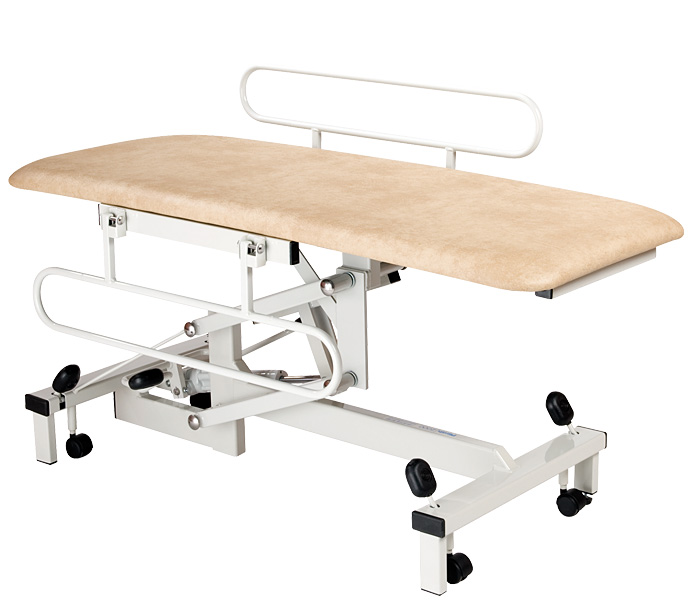
Paediatric Changing Table
This paediatric changing table is one of the best selling kids changing tables on the market due to its excellent value, robust design and bright kid friendly colour. It comes fitted with 2 padded cot sides for safety and is highly mobile thanks to its large retractable braked castors which also gives the added benefit of being hoist accessible with a clearance of 160 mm.
Key features
- Available in a choice of hydraulically or electrically operated models.
- Large retractable braked castors.
- Hand control on electric models.

Hi-Riser Wall Mounted Changing Table
Hi-Riser is an electrically operated wall-mounted changing table that is suitable for children and adults of up to 200kg. Despite its robust structure, the Hi-Riser has a slimline design that ensures it fits easily into most environments. The Hi-Riser has been designed so that it can be used with most mobile or ceiling hoists. The unique safety side rail stows away, streamlining access for transfers from a wheelchair, shower and toileting chair. T
Accessible Toilets and Restrooms
One of the most important features in any school that serves children with special needs is accessible restroom facilities. These restrooms should be spacious enough to accommodate mobility aids like wheelchairs, walkers, or assistive devices. The goal is to ensure that children can use the restroom with minimal assistance or, ideally, independently.
- Wide doorways: For easy access for children in wheelchairs or those with walkers.
- Grab bars: Installed next to toilets and sinks for added support.
- Raised toilet seats: To accommodate children who may have difficulty sitting down or standing up.
- Adjustable sinks and mirrors: To ensure children with mobility aids can easily wash their hands.
- Emergency call buttons: For safety, in case a child needs help but cannot reach a caregiver.

Nuvo Petite Toilet Frame
The Nuvo Petite™ Childrens Toilet Frame is designed to assist a child in lowering onto, and rising from, the toilet. It is a secure, comfortable and stable support frame with a contemporary design and is height and width adjustable with smooth comfortable armrests. The frame is constructed of lightweight, powder coated steel with non-slip rubber ferrule feet. A floor fixing kit (Product code: P63989) is also available to make the toilet frame a more permanent installation.
Key features
- Contemporary design with comfortable, smooth armrests
- Height and width adjustable to suit individual requirements
- Lightweight, powder coated steel frame makes it sturdy yet easy to move
- Non-slip rubber ferrules on the feet ensure additional safety
- Easy assembly without tools

Paediatric Adjustable Commode
This height adjustable paediatric commode is aesthetically pleasing with bright colours and a steel frame construction. Designed with user safety in mind, the commode features adjustable buckle straps and a Moulded P.U. foam comfort backrest.
Key features
- Gap fronted toilet seat
- Flame retardant
- Hygenic removable pot with lid
- Steel nylon coated construction
Toilet Aids
Toilet training can be a daunting task for children with special needs, and having the right tools can make all the difference. Toilet training aids help children with limited motor skills or developmental delays to engage with the toilet training process. These tools can help children who are transitioning from diapers to toilet use, while also providing support to children with incontinence issues.
- Specialized toilet seats: Contoured, adjustable seats that make it easier for children to sit comfortably on the toilet.
- Step stools: To help children reach the toilet or wash their hands independently.
- Toilet frames: Offering additional support and height for smaller users, those with impaired balance or dexterity or other requirements
- Sensory-friendly elements: For children who may be hypersensitive to certain materials or textures, such as soft-touch toilet seats or unscented wipes.

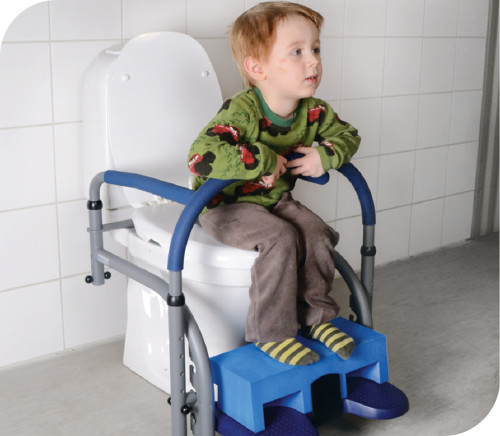
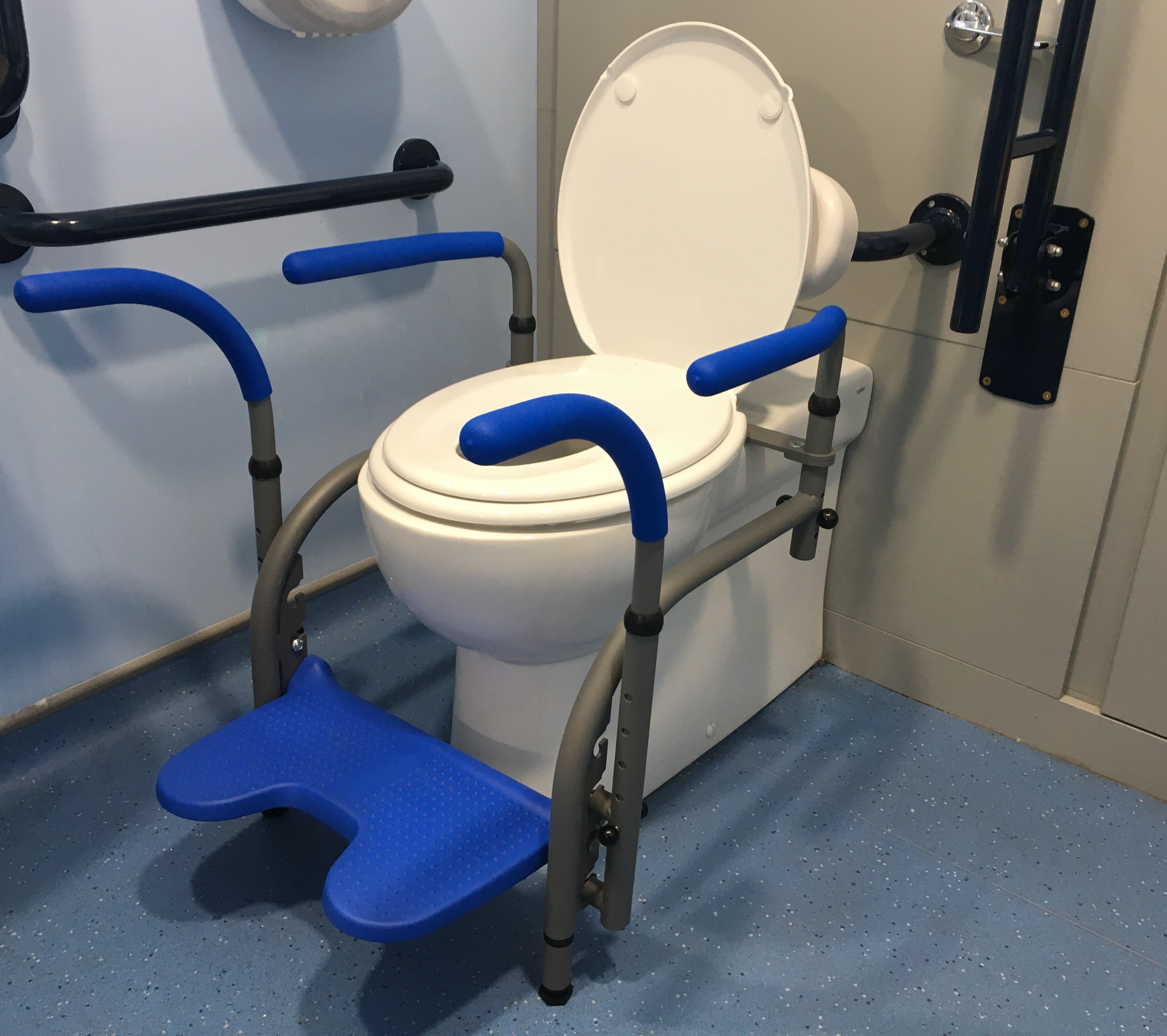
Svan Balance Toilet Frame
The Svan Balance Toilet Frame allows children and small adults to sit securely while going to the toilet. The frame provides support for children with limited mobility without getting in the way of other members of the family. It can switch quickly from a secure support to an easily accessible toilet for parents.
Key features
- Easy for all the family.
- 10 configurations to choose from
- Height adjustable armrests and footrests.
- Adjusted using a simple handle, with no tools required.
- Carefully chosen materials to ensure no corroding.
- Easy to clean.
- Easy to install.
- Support and balance while you move.
- Assists wheelchair and walking frame users.
- Grab rails can be folded out in front of the seat. With the grab rails right next to you at the correct height, it’s easier to get up and move.
- Rails provide a firm grip to assist you in dressing and can be turned to provide firm support when you sit down.

The Smirthwaite Combi toileting chair is a great starter seat; its design enables it to be used as a supportive chair whilst at the same time providing numerous features to assist your child with everyday toileting needs. The Combi design also features an interchangeable potty for younger children. This can easily be removed to provide a commode seat for children who have progressed with their toilet training. Based on the best selling Heathfield chair, the Combi's adaptability means that it will develop with your child removing the need for two separate toileting seats.
Key features
- Available in 4 sizes
- Fixed or height adjustable arm rests
- Plastic childrens commode seat and pot
- Moulded potty seat
- Adjustable seat height and depth
- Choice of upholstery colour
- Extensive range of support, comfort and safety accessories available
Additional Considerations
- Height-adjustable sinks: These can be used by children in wheelchairs or those with limited mobility.
- Automatic faucets: These are easier for children to use independently, reducing the need for assistance.
- Hand-dryer or paper towel dispensers: For children who may have difficulty using traditional towels.
- Touchless soap dispensers: To minimize physical contact and improve hygiene.
- Wipes: Preferably alcohol-free, hypoallergenic wipes to clean children after using the restroom.
- Gloves: For caregivers to maintain hygiene and prevent cross-contamination.
- Disinfectant sprays: For cleaning surfaces after each use.
- Extra clothing: In case of accidents, having clean clothes on hand is essential.
Best Practices for Implementing Toileting Equipment in Schools
- Staff Training and Support
Proper training is essential for staff members who assist children with toileting and hygiene. Caregivers, teachers, and teaching assistants should be trained on how to use the equipment safely, how to maintain the hygiene of both the child and the facilities, and how to address any behavioral or sensory needs a child may have. - Creating a Safe and Respectful Environment
Children with special needs are entitled to privacy and dignity, especially during toileting. Schools should create a respectful environment where children feel safe and comfortable. Providing designated, private changing areas, and ensuring that children are supported but not embarrassed, goes a long way toward fostering a positive experience. - Establishing Routine and Consistency
Many children with special needs thrive on routine. Schools should implement consistent bathroom and hygiene schedules that align with the children’s needs. These routines help reduce anxiety and make the experience more predictable and less stressful. - Incorporating Sensory Considerations
For children with autism or other sensory sensitivities, sensory-friendly designs are crucial. Considerations such as soft lighting, minimal noise, and non-overwhelming scents can make a significant difference in a child's comfort level when using bathroom facilities.
In order to provide a truly inclusive environment, schools must ensure that their facilities are equipped with the proper hygiene, changing, and toileting tools that cater to the needs of children with special needs. By using the right equipment, training staff appropriately, and fostering a respectful, supportive environment, schools can create a space where all children, regardless of their abilities, can thrive with dignity and independence. Investing in these resources not only improves the quality of life for children with special needs but also creates a more inclusive, welcoming, and supportive educational experience for everyone. After all, when we equip schools with the proper tools and foster a caring environment, we help children grow, learn, and feel empowered.
Related Posts
-

Back to School | SEN Specialist Seating
The start of the school term can be challenging, especially for children with special or additional needs. Providing a safe, supportive and accessible environment to encourage part...
-
Childcare changing tables Northern Ireland
Buy childcare changing tables from the experts at John Preston Healthcare and get FREE delivery to the UK and Ireland. We supply a range of childcare changing tables and treatmen...
-
Childrens Shower Chairs
We have a wide range of Children's Shower Chairs available to buy on our online store. We offer the excellent range from highly regarded manufacturers Akces Med including: Akvo...
-
Svan Balance Toilet Frame - assessments in Ireland
Svan Balance Toilet Frame - assessments in Ireland. Our Paediatric Specialist Gary Allen offers assessments on the Svan Balance Toilet Frame throughout Ireland. Svan Balance Toile...
-
Svan Balance Toilet Frame - Installations Available
The Svan Balance Toilet Frame helps children and small adults feel safe and secure while using a conventional toilet. The discreet frame can be retracted easily so that the toilet ...
-
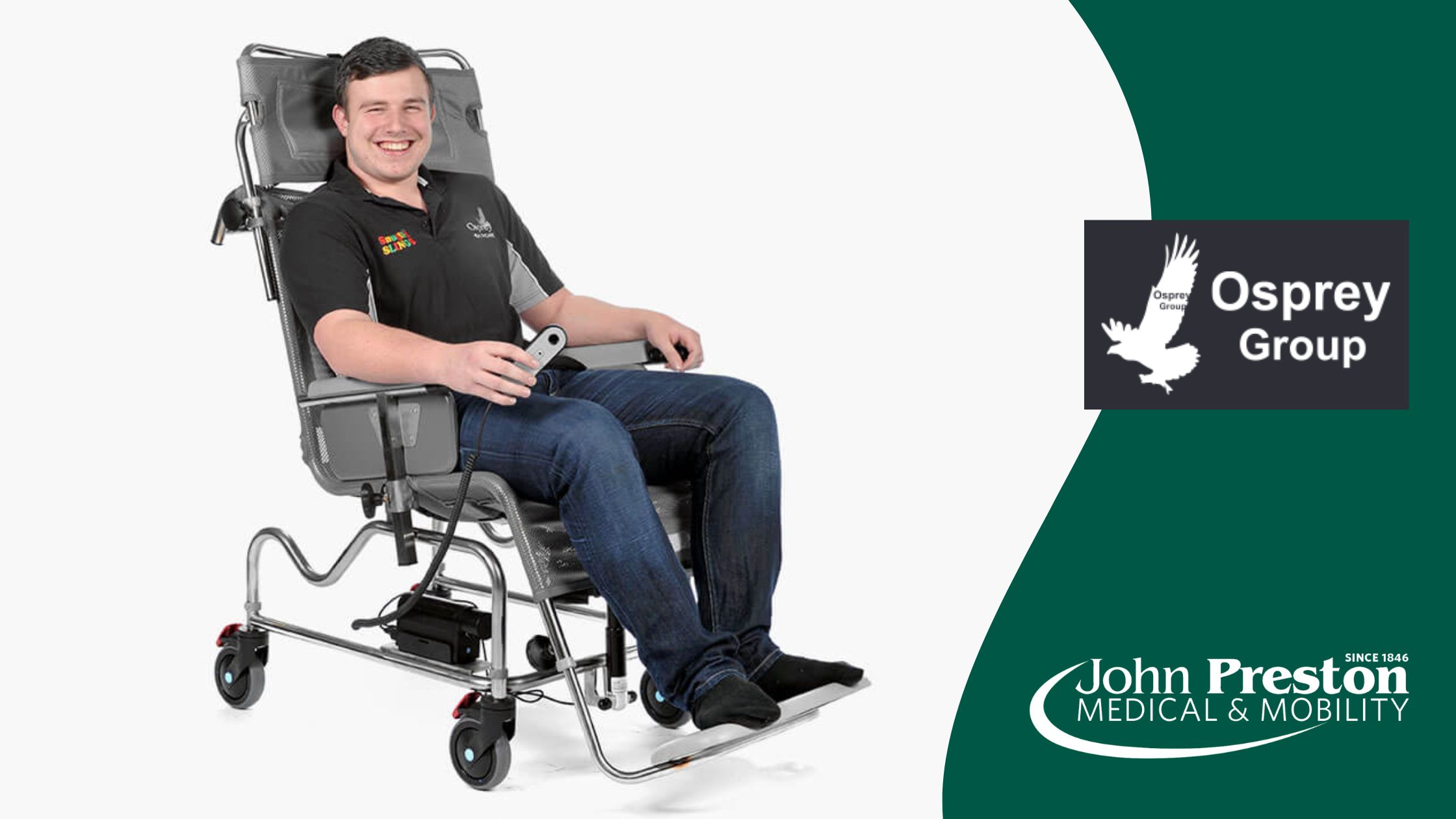
New range of shower chairs and shower cradles from The Osprey Group
We recently expanded our range of shower chairs and shower cradles from industry leader Osprey. Osprey offer a wide range of shower aids for infant, paediatric and adult users with...
-

Accessible Toileting: Raised Toilet Seats, Toilet Risers and More
Everyone does it, we just don't talk about it. But that doesn't mean that we can't make using the loo more accessible, more comfortable or safer. We've added a huge range of raised...